
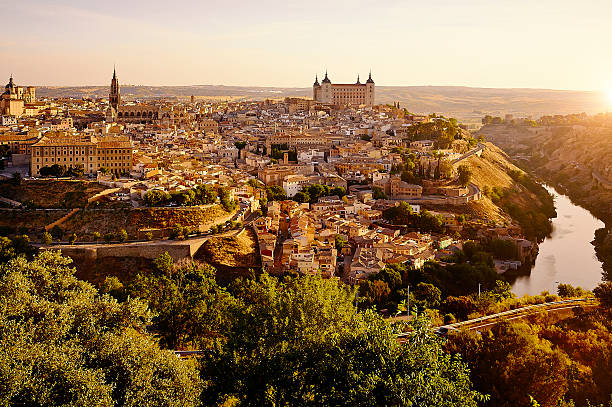
Toledo is a city on the western tip of Lake Erie. Its heyday as a hotbed of automobile manufacturing has long since passed. As a result, the city is seeing a steady decline in population. This has created a number of challenges for the city, most notably a need to diversify its economy during a time of recession. A recent assessment of the state of Toledo's food system has some interesting findings. It suggests that, while there are no clear-cut food deserts, there is a spatial mismatch between the people and the services they need. In other words, it's not as easy to get a sandwich in a certain part of the city as in another. The same study found that 12% of Toledo's residents had no access to a grocery store in their neighborhood. Although it is not a surprise that this is the case, it is a shame that these individuals were forced to rely on emergency food resources. While a new supermarket may be the solution, there are a lot of hurdles to overcome. One of the most glaring shortcomings of the city's food system is that the majority of its residents lack a car. A disproportionately high percentage of those in Toledo are living in neighborhoods with high levels of racial segregation.
Other obstacles include lack of public transit and mobility barriers for elderly and disabled individuals. These factors have resulted in a lot of disinvestment, especially in neighborhoods that are less affluent. To address these issues, a comprehensive food system plan is necessary. Despite the shortcomings, the city of Toledo has taken the first steps toward a healthier, more equitable city. For example, there is a small but growing number of grocery stores that have set up shop in downtown Toledo. However, the city has also struggled to attract additional businesses to the region. Planners in Toledo have been working on a strategy to lure more retailers to the city. They believe the problem is a combination of individual mobility barriers, a lack of inventory, and a lack of community leadership.
Despite these limitations, the Ohio real estate market is still a hotbed of activity. It's not as hot as it used to be, but it's still a buyer's market. The average sales price has risen in the past few years. But this is offset by increased interest rates and a dampening effect from would-be buyers. That means the market is likely to slow down over the coming years. A few other notables include the Imagination Station, a children's science museum located in downtown Toledo. Another is the Toledo Museum of Art, which has a collection of Renaissance and modern art. Even the zoo is not to be overlooked, with polar bears, rides, and an aquarium. The Toledo area is home to many notable figures. From its famous football player, Roger Bresnahan, to astronaut, Gene Kranz, the city has a rich history. In addition to its historical attractions, it is a great place to raise a family, whether you want to visit the Toledo Museum of Art or go sledding in the winter.
The history of Toledo is a fascinating one. From prehistoric black swamp times to postindustrial rebirth, the history of Toledo is a story of transformation and change. It is a story that spans eight distinct eras and the development of the region. Toledo has a unique transportation footprint. It is a combination of highways, railways, and waterways. This combination helped Toledo to grow into an industrial powerhouse and global leader in automotive manufacturing. As a result, it is a city that has attracted a large number of people, including ethnic groups. In addition to its industrial growth, the city has attracted an array of cultural attractions. Whether you're in the mood for art, birding, mountain biking, fishing, or other activities, you can find what you need to experience all that Toledo has to offer. During the early 19th century, the city became a major railroad center. Its Erie and Kalamazoo railroads were the first to be built west of the Allegheny Mountains. These rails were made of oak topped with thin iron strips. Eventually, the canals that had been used to transport goods became obsolete and Toledo's economy began to flourish.
With the construction of the Miami-Erie Canal in 1845, Toledo gained access to the Ohio River. After the Civil War, the city began to develop a diverse industrial base. By the turn of the century, Toledo had become the 26th largest city in the country. During the Great Depression, Toledo was inundated with unemployment. It was one of the leading cities in the United States that experienced an influx of immigrants. Toledo's population grew from 13,768 to 131,822 by the turn of the century. However, the city suffered from a loss of most Fortune 500 companies. Toledo was also a part of the Rust Belt, a once-dominant industrial area of the Midwest. Competition from foreign countries caused this economic downturn. When World War II broke out, Toledo's industries were focused on wartime production. Several large-scale federally funded WPA projects were undertaken to employ the area's citizens.
Although the Rust Belt era is over, Toledo has a bright future. Its economy has shifted from manufacturing to high-tech solutions. Many of the city's businesses are now expanding from automotive products to solar energy. There are three dozen colleges within 60 miles. For those who want to enjoy the arts, Toledo offers the Toledo Museum of Art. This museum has a wide selection of Renaissance and modern art. You can take a self-guided tour or book a guided tour. Alternatively, you can visit the museum during its free hours. Visitors can also experience the Imagination Station, a children's science museum. Another major attraction is the Toledo Zoo & Aquarium. This world-class institution has over ten thousand animals that guests can meet. You can go on a merry-go-round, ride a train, or watch the animal exhibits. If you're looking for a historical site to visit, consider visiting Toledo's Old West End. Here you can still see the elegant 19th-century architecture.
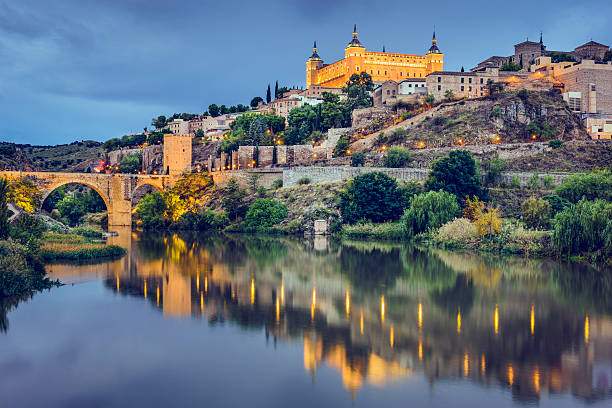
Toledo Ohio is a quaint town with an incredible selection of fun things to do. The city is on the shores of the Great Lakes, and is home to the Toledo Museum of Art, the Toledo Zoo, and many other attractions. While the city is not well-known amongst Midwest travelers, it is a wonderful place to visit, and has plenty of attractions to entertain the whole family. The Toledo Museum of Art has a vast collection of artifacts and works of art, including paintings, sculpture, and glassworks. The museum also offers daily events and demonstrations. There are 45 galleries and more than 30,000 objects to see in this museum. Visitors can take a guided tour, and there is a workshop area on site.
Another great attraction in Toledo is the National Museum of the Great Lakes. The museum features powerful audiovisual displays and more than 300 artifacts from the lake, including a reproduction of the Eiffel Tower. In addition, visitors can engage in a number of hands-on interactive exhibits. For families with kids, the Imagination Station is a must-see. The exhibit space is divided into six different sections and rotates frequently, so you can experience new attractions as often as possible. You can design your own marble run or ride an air car. Younger children will also enjoy the Little Kidspace. Also in Toledo is the Toledo Fire Museum, which is a fascinating destination. This is an educational and fun spot, as it houses a huge collection of vintage fire fighting equipment and toys. You can see this museum at 918 W Sylvania Ave. During the summer months, the museum is open to the public.
If you love nature, you'll want to make your way to the Toledo Botanical Garden. This beautiful garden is filled with 60 acres of flora and fauna, as well as a sculpture garden. It's a wonderful place to visit, and it's free to explore. Another must-see in Toledo is the Queen of Most Holy Rosary Cathedral. Originally built in the early 20th century, the cathedral is a regal church that boasts soaring frontal spires, flying buttresses, and a stunning facade. Other notable Toledo attractions include the Toledo Ballpark, the Toledo Fire Museum, and the Toledo Zoo. The Toledo Zoo is one of the best-loved local institutions in the city, and offers many family-friendly activities. Whether you visit during the summer, fall, or winter, you'll find a wide range of animals to enjoy.
A zoo visit can last anywhere from two to five hours, depending on your interests.Lastly, the Toledo Ballpark is an incredible spot to see a game, and it has a comfortable seating area and a big screen. It's also home to the Atomic Cafe, which serves pizza, burgers, and more. After you've finished playing in the ballpark, you can visit the Toledo Museum of Art and the Toledo Zoo.If you're looking for a day of adventure, then the city of Toledo is the perfect spot. Fortunately, the city is not too expensive, and there are a wide variety of activities for everyone.
Member Spotlight
QC Kinetix (Sylvania)
3130 Central Park West, Suite B
Toledo, OH 43617
(419) 362-6767
https://qckinetix.com/toledo/sylvania-oh/
QC Kinetix (Sylvania) is well known for Regenerative medicine Toledo, which involves restoring tissues and organs by stimulating the body's natural healing abilities.
Get Map Direction:-
https://goo.gl/maps/zBnwMabnYy5pYTnU8
Toledo Commerce Group strives to provide its residents with every high-quality good and service they need. We have a wide variety of products and services to choose from, and our team is passionate about providing the best possible experience for our customers. Our dedication to quality has led us to become one of the most trusted businesses in town, and we will continue to serve our community with pride.